
Find Alaska Divorce Decree Records
Alaska divorce decree records are kept by the Superior Court in the judicial district where the case was filed. The state runs a unified court system with four districts covering every borough and census area. You can search case information free online through CourtView Public Access, or contact the court clerk directly to get copies. Whether you need a certified copy of the final decree for a name change, want to verify a past filing, or need to confirm case details, the Alaska Court System maintains these divorce decree records and provides public access to them.
Alaska Divorce Decree Overview
How Alaska Divorce Decrees Work
Alaska has two legal paths to end a marriage. The first is dissolution of marriage, which applies when both spouses agree on all major issues including property, debt, child custody, and support. Both spouses file a joint petition in Superior Court. A judge can sign the final decree as soon as 30 days after the petition is filed. Dissolution is faster and less complicated when everyone is on the same page.
Divorce is used when the spouses do not agree. One spouse files a complaint under AS 25.24.010, and the other gets a chance to respond. The case may go through hearings, mediation, or a full trial before a judge signs the final divorce decree. Each step creates records that become part of the permanent case file. Both paths end the marriage, but dissolution tends to move quicker.
The Alaska Court System Family Law Self-Help Center covers both processes in detail. You can find forms, instructions, and a guide to each step of the filing process on the court's website. Walk-in self-help is available at most courthouse locations.
The Alaska Court System's Family Law Self-Help Center provides free guidance for people who want to handle their own divorce or dissolution.
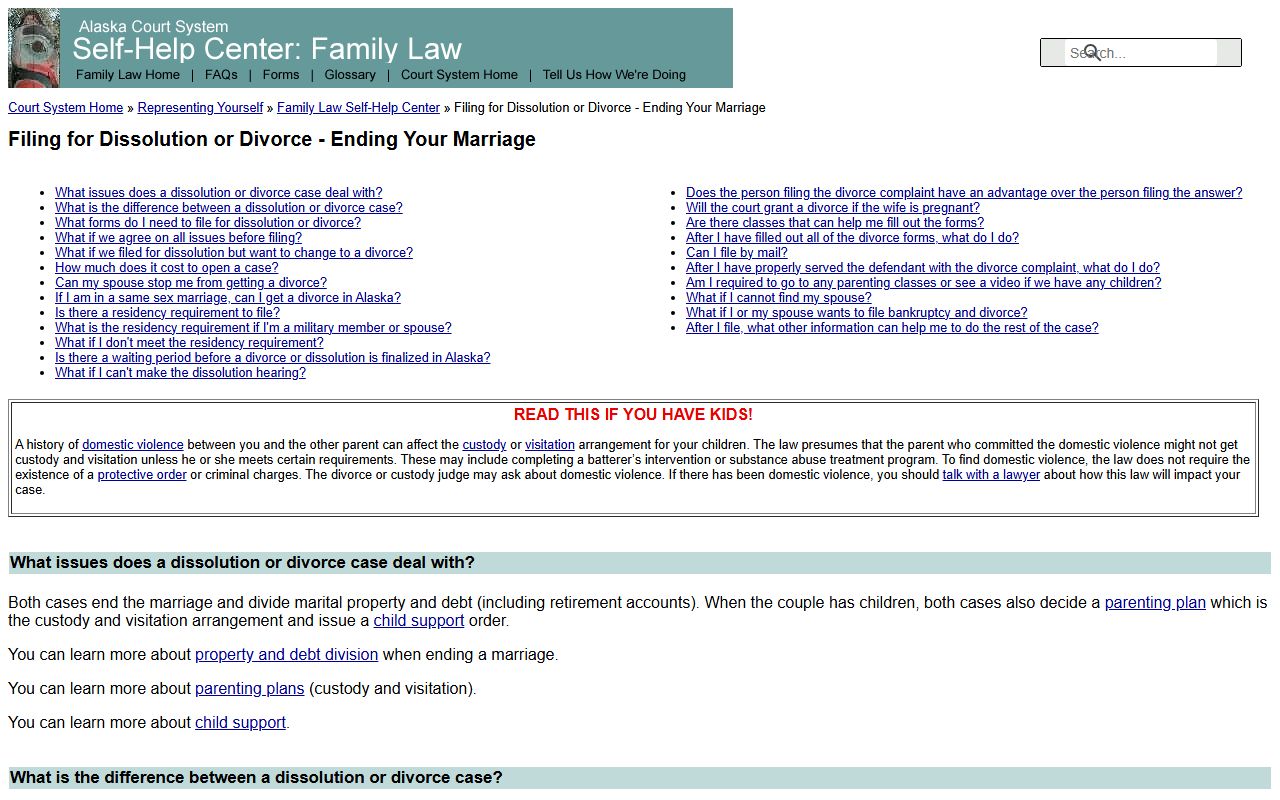
The Self-Help Center covers both divorce and dissolution proceedings, with step-by-step guides and downloadable forms for Alaska residents.
Search Alaska Divorce Decree Records Online
Alaska provides free public access to divorce case information through the CourtView system. You can search by party name or case number. The system shows case status, party names, hearing dates, and how the case ended. It does not show full document images, but you get the case number and basic information you need to request actual copies from the clerk's office.
The CourtView Public Access Portal is available at records.courts.alaska.gov. Type in the full name of either spouse to start. You can also search by case number or ticket number. The system returns up to 500 results per search. Not all case types are visible. Sealed cases, juvenile matters, and certain protective order proceedings are excluded from public view.
Alaska case numbers follow a specific format. The structure is: district code, location code, year, five-digit sequence, and a type suffix. For example, 3AN-15-01234CI means Third Judicial District, Anchorage, filed in 2015, civil case. The CI suffix covers divorce and dissolution cases filed after 1995. Cases filed before 1995 used a DR suffix for Domestic Relations. Records from before 1990 are not in CourtView. Those exist only as paper index cards at the courthouse.
The CourtView search page also links to instructions for reading case numbers and understanding results.
The CourtView Public Access Portal allows free online searching of Alaska divorce decree cases statewide.
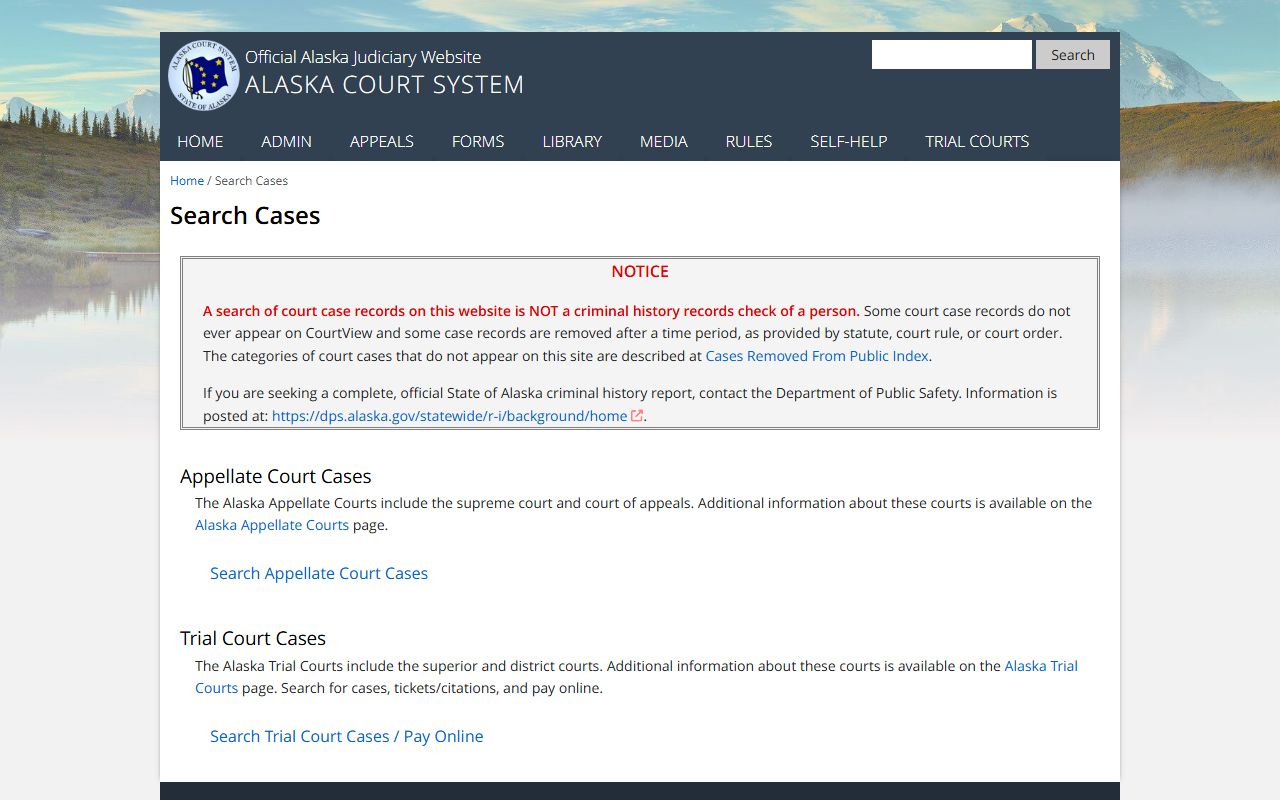
You can search CourtView by party name, case number, or citation number and filter results by case type including civil divorce and dissolution cases.
The CourtView information page explains how Alaska case numbers are structured, including the district prefix and type codes used for divorce decree cases.
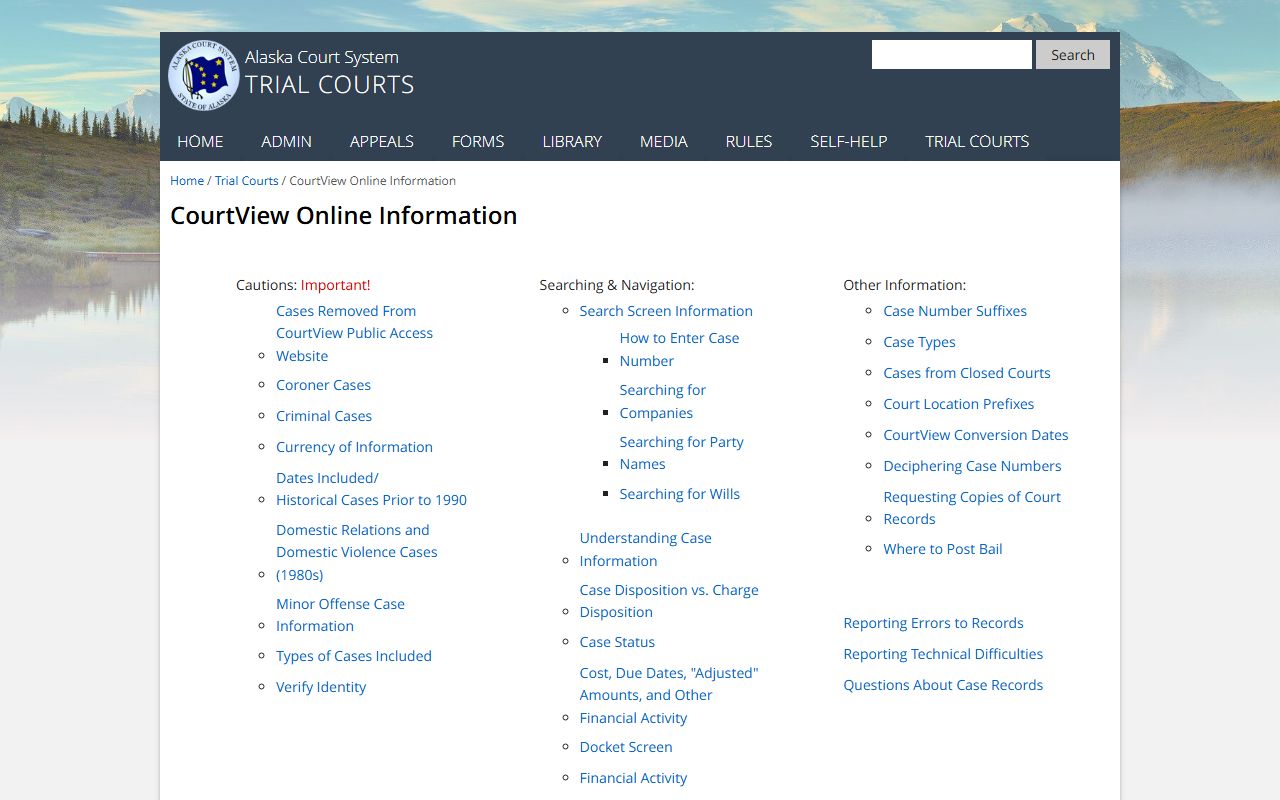
Understanding the case number format helps you search CourtView more accurately, especially when looking for older divorce decree filings from the 1980s or 1990s.
For direct case access, you can go straight to the CourtView database.
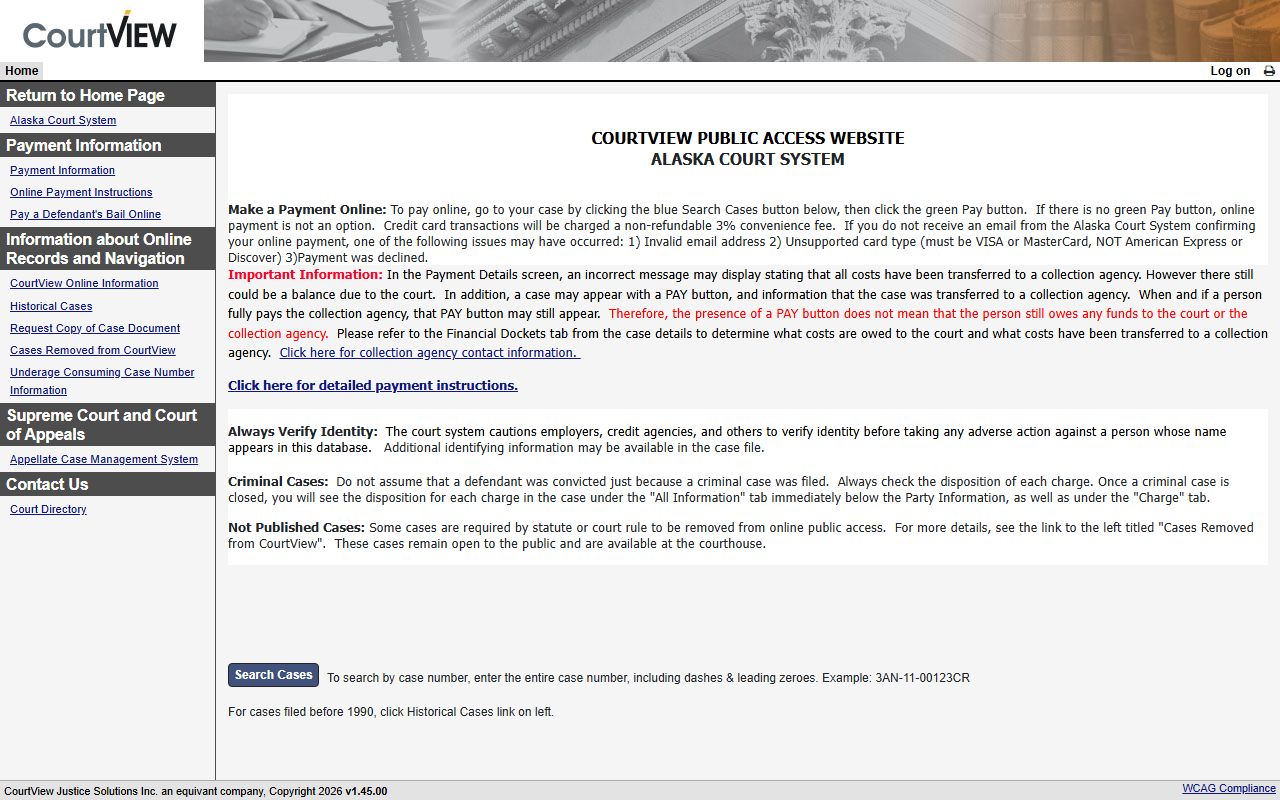
The CourtView portal is free to use and covers Superior and District Courts across all four Alaska judicial districts.
Contents of an Alaska Divorce Decree
The divorce decree is the court order that ends the marriage. A judge signs it after reviewing all terms agreed to by the parties or decided at trial. The decree spells out who gets what property, how debts are divided, custody and visitation arrangements for any children, child support amounts, and whether either spouse receives spousal support. Once signed, the decree becomes a permanent court record.
A full divorce case file in Alaska typically contains more than just the final decree. You will also find the original petition or complaint, proof that the other spouse was served, financial disclosures from both parties, any temporary orders entered during the case, written agreements signed by both parties, and the final judgment. Some cases include parenting plans, property settlement agreements, and orders about retirement accounts. All of these documents go into the case file at the clerk's office.
Decree forms used in Alaska include DR-805 (Divorce Decree and Judgment with Children) and DR-806 (Divorce Decree and Judgment without Children). The findings that support the decree are in forms DR-800 and DR-801. All of these are part of the public record unless a judge has ordered them sealed.
Divorce Decree Forms in Alaska
The Alaska Court System forms catalog has every form needed for divorce and dissolution proceedings. Forms are grouped by case type and are free to download. You do not need an attorney to file, though legal help is always an option.
Dissolution of marriage packets include DR-1 (for couples with children), DR-2 (without children), and DR-3 (when one spouse cannot be located). Individual forms include DR-100 (Petition for Dissolution without children), DR-105 (Petition for Dissolution with children), and DR-110 (Request to Waive Appearance at Hearing). Divorce complaints start with DR-815 (with children) or DR-820 (without children). Once both spouses agree or a judge rules, the case closes with DR-805 or DR-806 as the final divorce decree.
One form that matters after the case closes is VS-401, the Certificate of Divorce, Dissolution, or Annulment. This form must be filed with the court to register the divorce with the Alaska Bureau of Vital Statistics. It can take up to three months to register after submission to the court. If you need a divorce certificate from vital records, the VS-401 is the connection between the court and the state registry.
The Alaska Court System maintains a comprehensive catalog of divorce and dissolution forms available for free download.
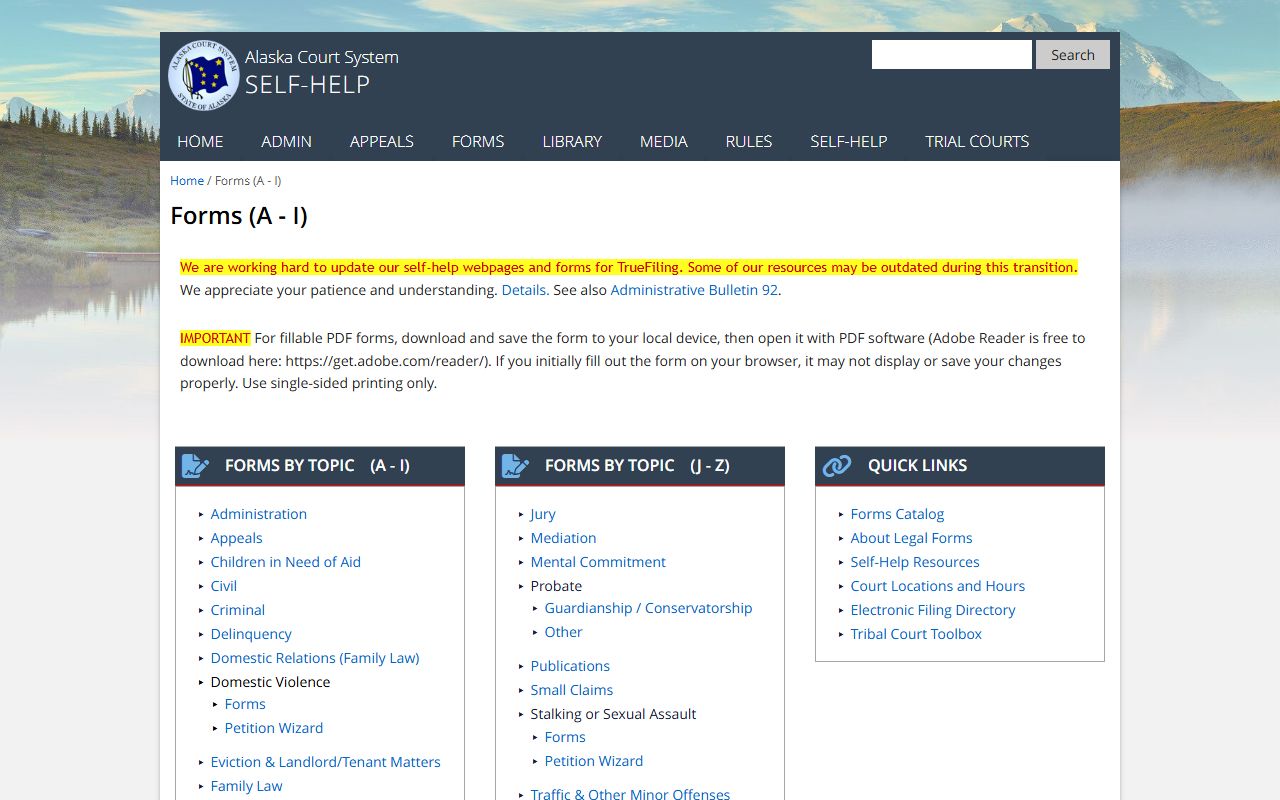
The forms catalog includes dissolution packets, divorce complaints, decree forms, and copy request forms for all courthouse locations across Alaska.
How to Get Copies of a Divorce Decree in Alaska
To get a copy of an Alaska divorce decree, contact the Superior Court in the district where the case was filed. Each location uses its own version of the records request form. For Anchorage, Saint Paul Island, and Sand Point cases, use Form TF-311 ANCH. Fairbanks cases use Form TF-311 FBKS. Palmer cases use Form TF-311 PA. All other locations use the standard Form TF-311. The trial courts page lists the correct form for each location and explains how to submit a request.
Copy fees are the same statewide. A plain copy costs $5 for the first document and $3 for each additional page. Certified copies run $10 for the first and $3 for each additional copy. Exemplified and authenticated copies are $15 each. Research fees of $30 per hour apply if you do not have a case number and need the clerk to locate the record by name alone. Audio recordings cost $20 per CD and require a separate TF-304 form.
You can make requests in person, by mail, by fax, or by email depending on the court. In-person requests usually get the fastest service. Current wait times vary: Anchorage provides same-day service when you bring a case number, Palmer currently runs 2-4 weeks for online requests, and Valdez currently runs 4-6 weeks due to staffing. If you cannot afford fees, Form TF-920 is a fee waiver application that requires income and expense documentation.
The trial courts page details copy request procedures, form numbers by location, and the full fee schedule for divorce decree copies.
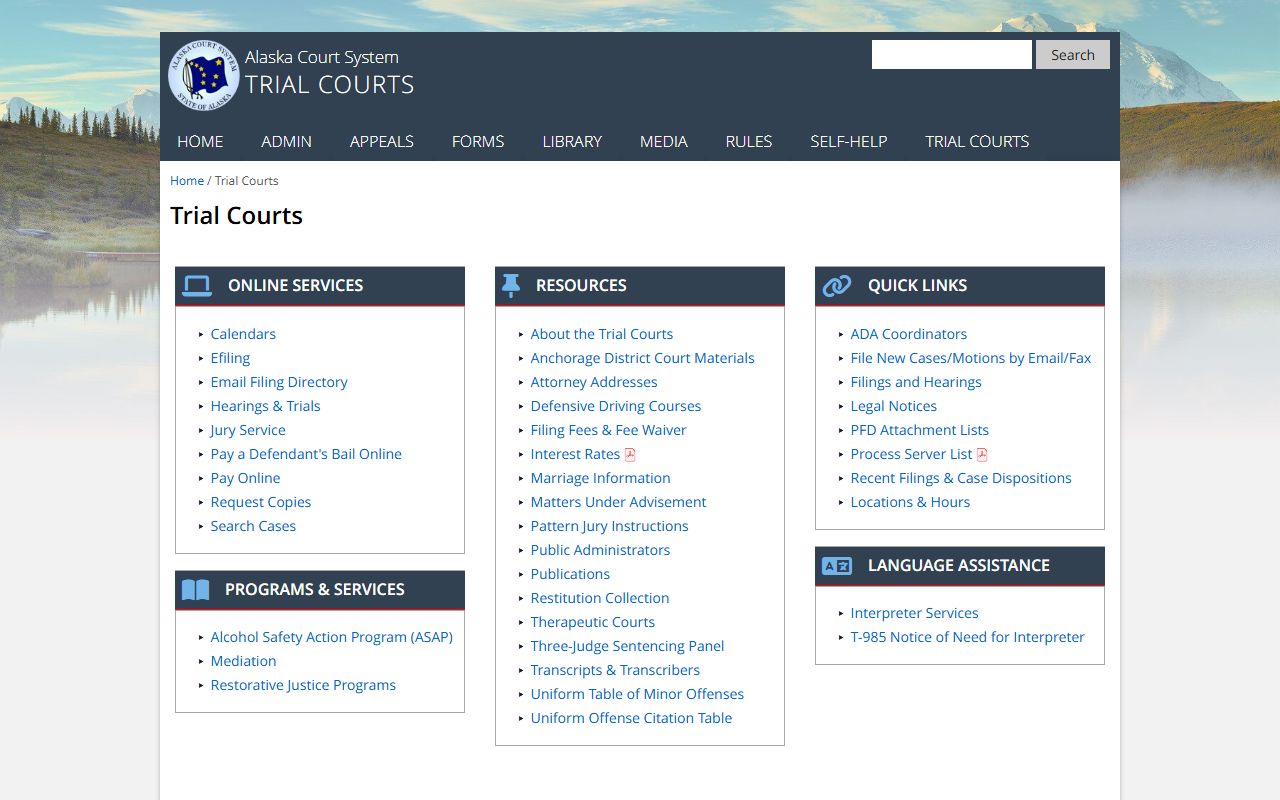
Bring a valid government-issued ID if you visit a courthouse in person, and have your case number ready to speed up the request.
Alaska Vital Records and Divorce Certificates
There is an important difference between a divorce decree and a divorce certificate in Alaska. The divorce decree is the full court order issued by the Superior Court. It contains all the terms of the divorce including property division, custody, and support. A divorce certificate comes from the Alaska Bureau of Vital Statistics and is a one-page summary showing who divorced, when, and in what jurisdiction. It does not include the terms of the case.
If you need only basic confirmation that a divorce occurred, the Bureau of Vital Statistics handles divorce certificate requests at two offices. The Juneau office is at 5441 Commercial Boulevard, Juneau, AK 99801, phone (907) 465-3391. The Anchorage office is at 3901 Old Seward Highway, Suite 101, Anchorage, AK 99503, phone (907) 269-0991. You can also order online through VitalChek with a 2-3 week processing time, or by fax to (907) 465-3618. Mail requests typically take 2-3 months. Fees are $30 for the first copy and $25 for each additional copy.
Under AS 40.25.120, vital records including divorce certificates are not public for 50 years from the date of the decree. Only the named parties, their legal representatives, or persons with legal entitlement may access these records during the restricted period. If you need the full divorce decree with all terms, you go to the Superior Court. If you only need a basic divorce certificate, you go to vital records.
The Alaska Bureau of Vital Statistics vital records ordering page shows available request methods, fees, and processing times for divorce certificate orders.
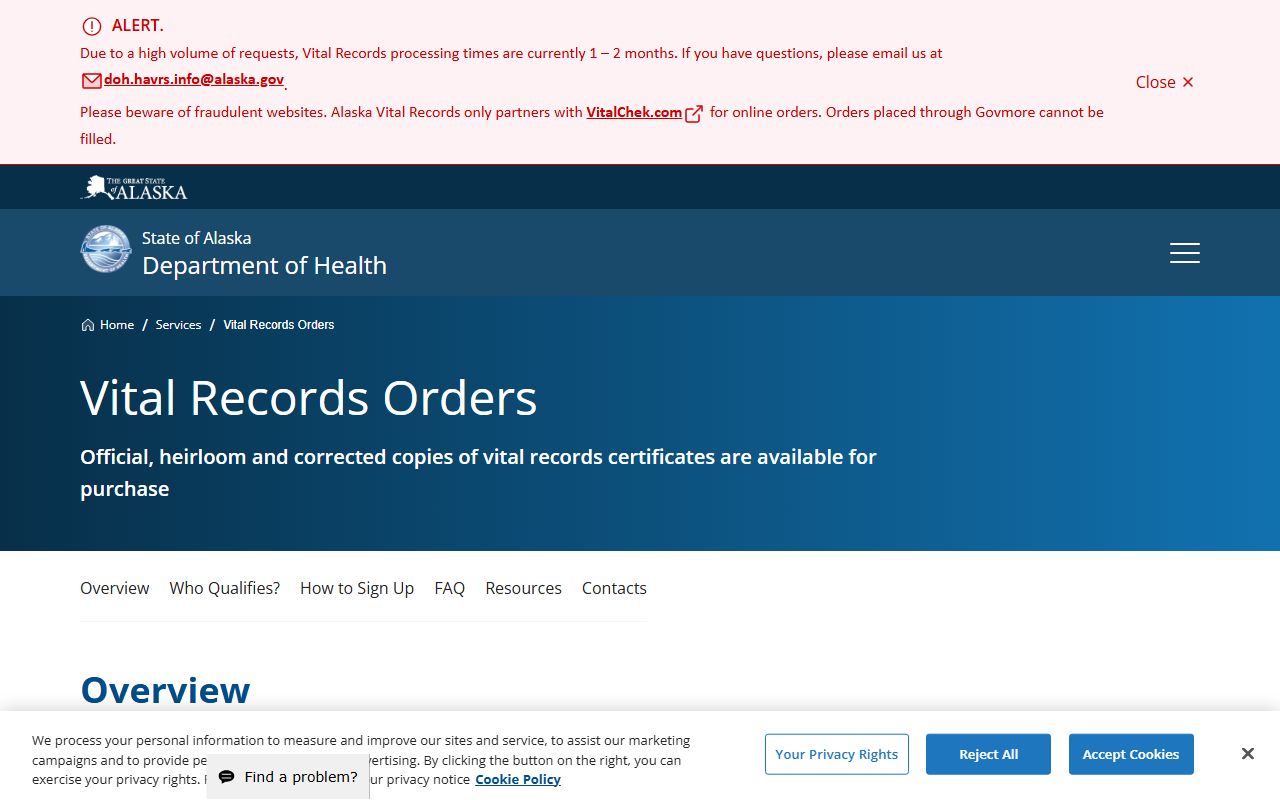
Expedited online ordering through VitalChek is available for an additional vendor fee and processes faster than mail requests to the Juneau office.
Alaska Divorce Laws and Statutes
Alaska divorce law is in Title 25 of the Alaska Statutes, specifically Chapter 25.24 covering divorce and dissolution. The full text of the statutes is available at the Alaska Legislature website. AS 25.24.010 establishes the right of action for divorce and gives either spouse the ability to file. AS 25.24.020 and AS 25.24.030 define void and voidable marriages respectively.
Alaska allows both fault and no-fault grounds under AS 25.24.050. The eight fault grounds are: failure to consummate the marriage continuing up to the time of filing, adultery, conviction of a felony, desertion for at least one year before filing, cruel or inhuman treatment that endangers health or causes incompatible temperament, habitual drunkenness that began after the marriage and lasted at least one year before filing, institutionalization for mental illness for at least 18 months before filing, and drug addiction involving habitual use of narcotics or similar substances. The no-fault path uses dissolution under AS 25.24.200 based on incompatibility of temperament causing an irremediable breakdown of the marriage.
Dissolution requirements under AS 25.24.210 are detailed. The joint petition must state both spouses' occupations, income, assets, and liabilities. If children under 19 are involved, the petition must include their names, birth dates, and status, along with a complete custody and support agreement. The petition must also set out the full property division agreement including any retirement benefits.
Residency rules in Alaska differ from most states. AS 25.24.010 only requires that at least one spouse be an Alaska resident at the time of filing. There is no minimum residency period. The spouse must be physically present in Alaska and intend to remain. A special military exception applies: 30 days of continuous stationing at an Alaska military base qualifies as residency for filing purposes.
The Alaska Legislature website has the full text of AS 25.24 governing divorce and dissolution proceedings statewide.
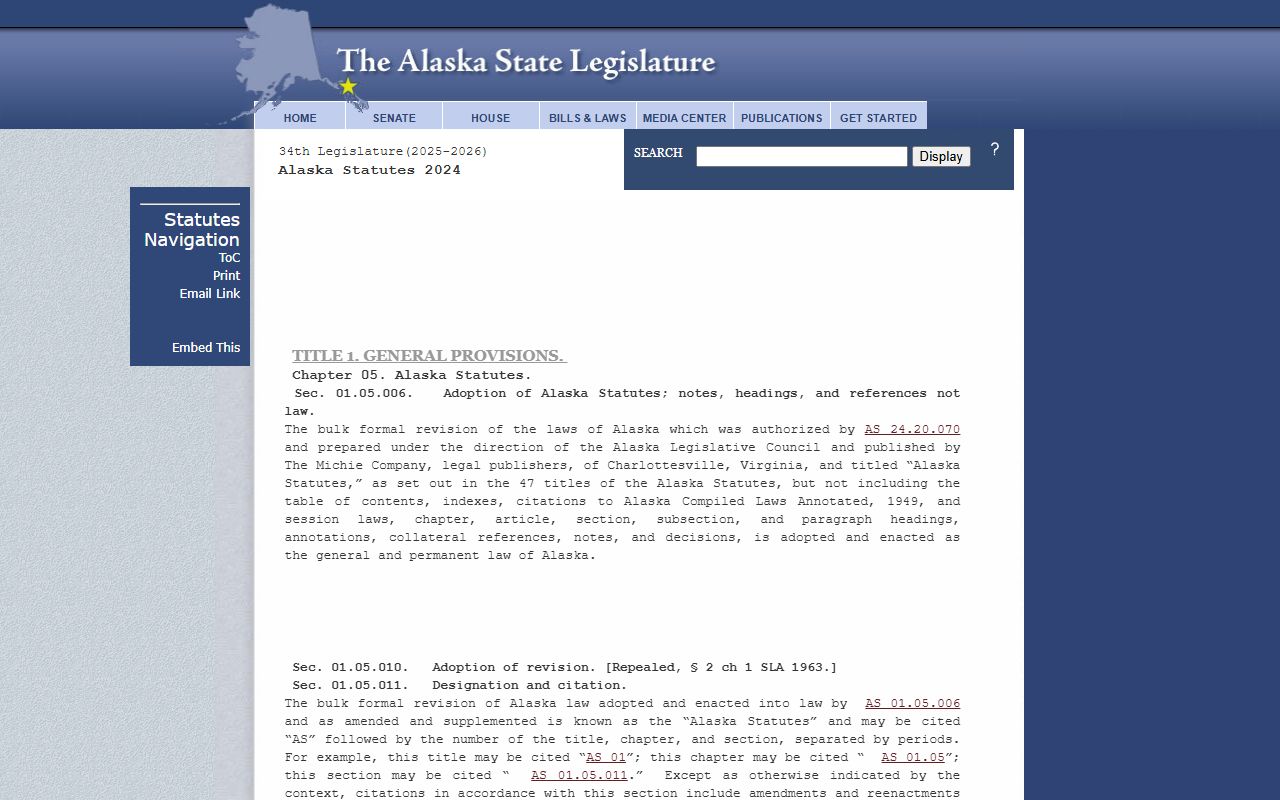
Title 25 covers all aspects of marital and domestic relations law in Alaska including grounds for divorce, dissolution requirements, property division standards, and child custody rules.
Public Access to Alaska Divorce Records
Court records in Alaska, including divorce decrees, are generally public. You do not need to be a party to request copies. Walk into any Superior Court clerk's office, ask for the case by name or number, pay the copy fee, and you can get plain copies the same day if you have a case number. Alaska courts keep records open under the court rules governing public access to judicial records.
There are exceptions worth knowing. CourtView excludes certain categories of cases from its public index. These include cases that have been designated confidential by statute or court order, foreign domestic violence protective orders, civil protective order cases closed without an order, criminal cases with a successful suspended imposition of sentence, and underage alcohol offenses charged separately. These are not visible in CourtView and require direct contact with the clerk's office if you believe you have a right to access them.
Historical records from before 1990 present a practical limitation. CourtView does not have comprehensive case data before that point. Pre-1990 records exist only as paper index cards at each courthouse. Some 1980s and 1970s cases may have been reactivated and added to the system, but coverage is inconsistent. For historical research on older Alaska divorce decrees, the Alaska State Archives in Juneau holds many historical court documents and can assist with access requests.
Note: Cases listed on CourtView may have limited information. Address and social security number data is never displayed. The system provides case summaries only, not full document images.
Legal Help for Divorce in Alaska
Several resources offer help with divorce proceedings in Alaska. The Family Law Self-Help Center is run by the Alaska Court System and provides free guidance for self-represented parties. You can reach the helpline at (907) 264-0851 or toll-free at (866) 279-0851. Staff can help you find forms, understand the process, and figure out which court handles your case. They cannot give legal advice, but they can point you to the right resources.
Alaska Law Help provides online self-help guides and legal information for people handling their own cases. The site covers divorce, dissolution, custody, and support with plain-language explanations and links to official forms. Alaska Legal Services Corporation offers free legal assistance to qualifying low-income residents across the state.
For attorney referrals, the Alaska Bar Association can connect you with a licensed family law attorney in your area. The Bar also certifies specialists in family law who handle contested divorce cases involving complex property, custody, or business interests.
Alaska Superior Court Locations for Divorce Filings
Alaska has four judicial districts, each with Superior Courts that handle divorce and dissolution cases. The Third Judicial District in Anchorage covers the largest share of cases. The First District in Juneau covers Southeast Alaska. The Fourth District in Fairbanks covers Interior and Far North Alaska. The Second District covers Nome and western Alaska. You file for divorce in the Superior Court of the district where you live.
The Alaska Court System court directory has contact information for all courthouse locations including addresses, phone numbers, fax numbers, email contacts, and hours of operation. The directory is essential for knowing which court holds specific divorce decree records.
The Alaska Court System maintains a full directory of all trial court locations with contact details for each clerk's office.
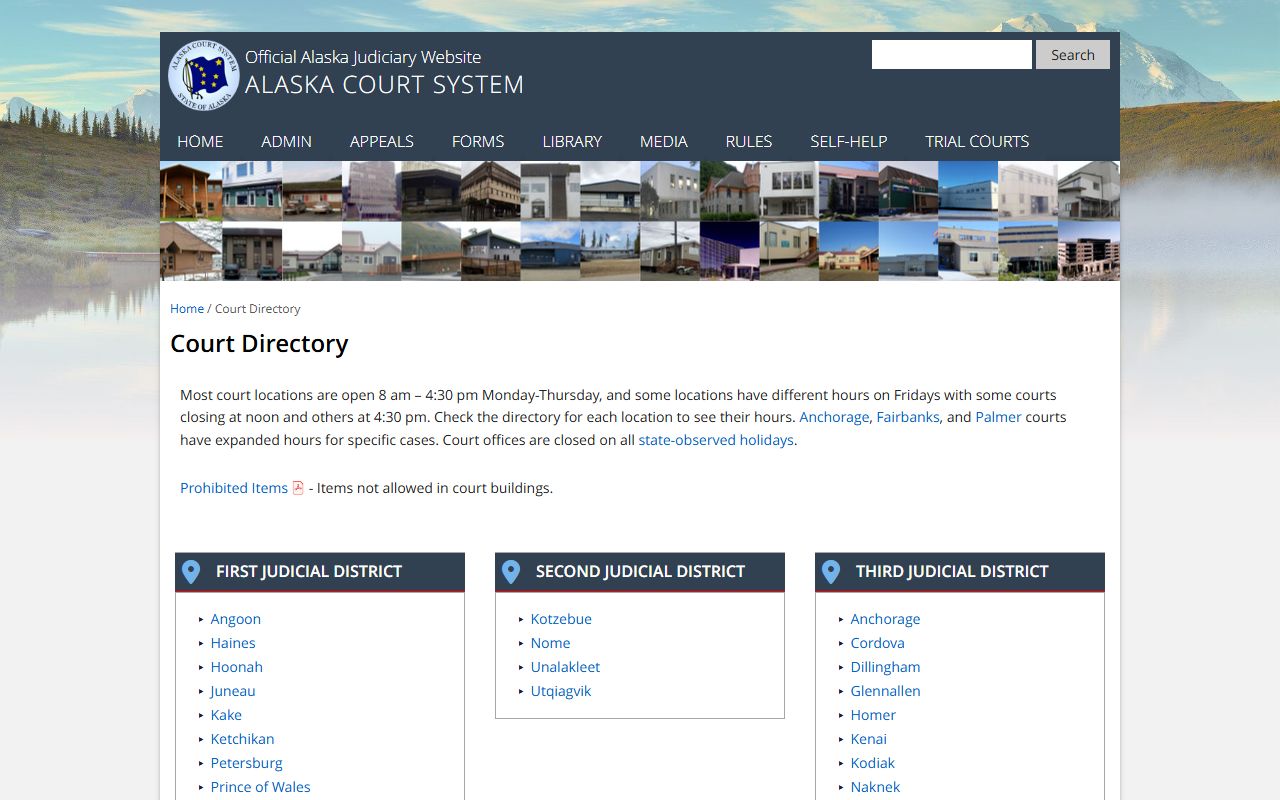
Use the directory to find the right courthouse for your borough or census area and confirm current hours before visiting in person.
Anchorage Superior Court handles the largest volume of divorce decree cases in Alaska. It is located at 825 West 4th Avenue in the Nesbett Courthouse.
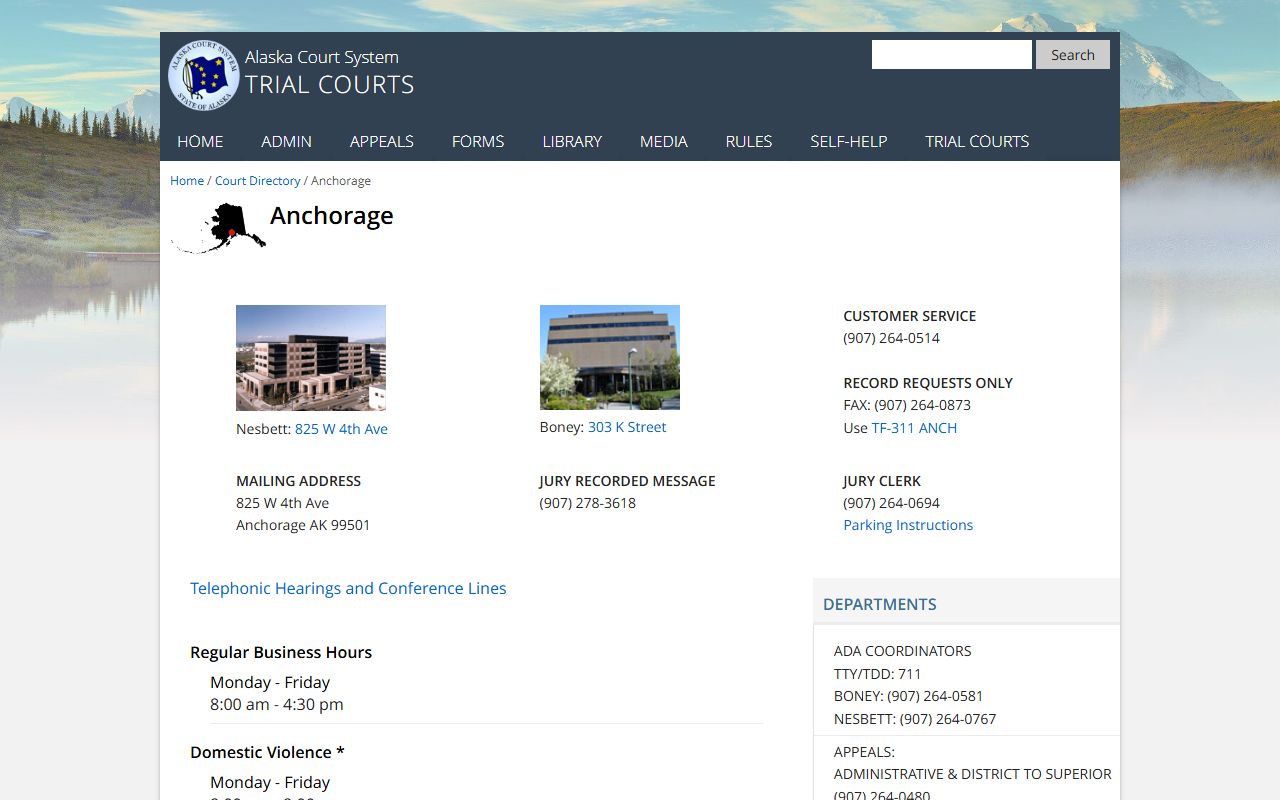
For Anchorage cases, use Form TF-311 ANCH and direct record requests to (907) 264-0514 or email 3ANRecordsRequest@akcourts.gov.
Fairbanks Superior Court serves the Fourth Judicial District at 101 Lacey Street, handling divorce decree cases for Interior Alaska including Fairbanks North Star Borough and Denali Borough.
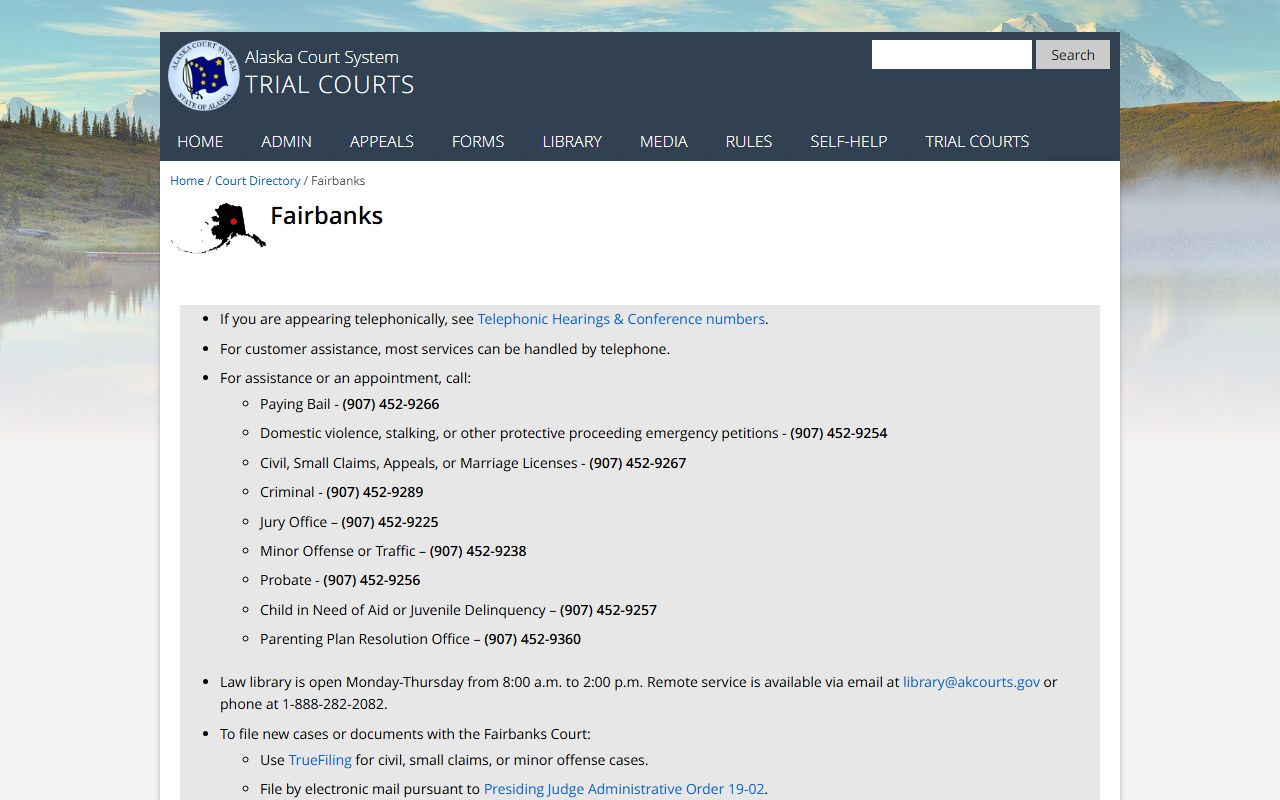
For Fairbanks cases, use Form TF-311 FBKS and contact the records office at 4FArecords@akcourts.gov or (907) 452-9277.
Juneau Superior Court at the Dimond Court Building serves as First Judicial District headquarters covering all of Southeast Alaska.
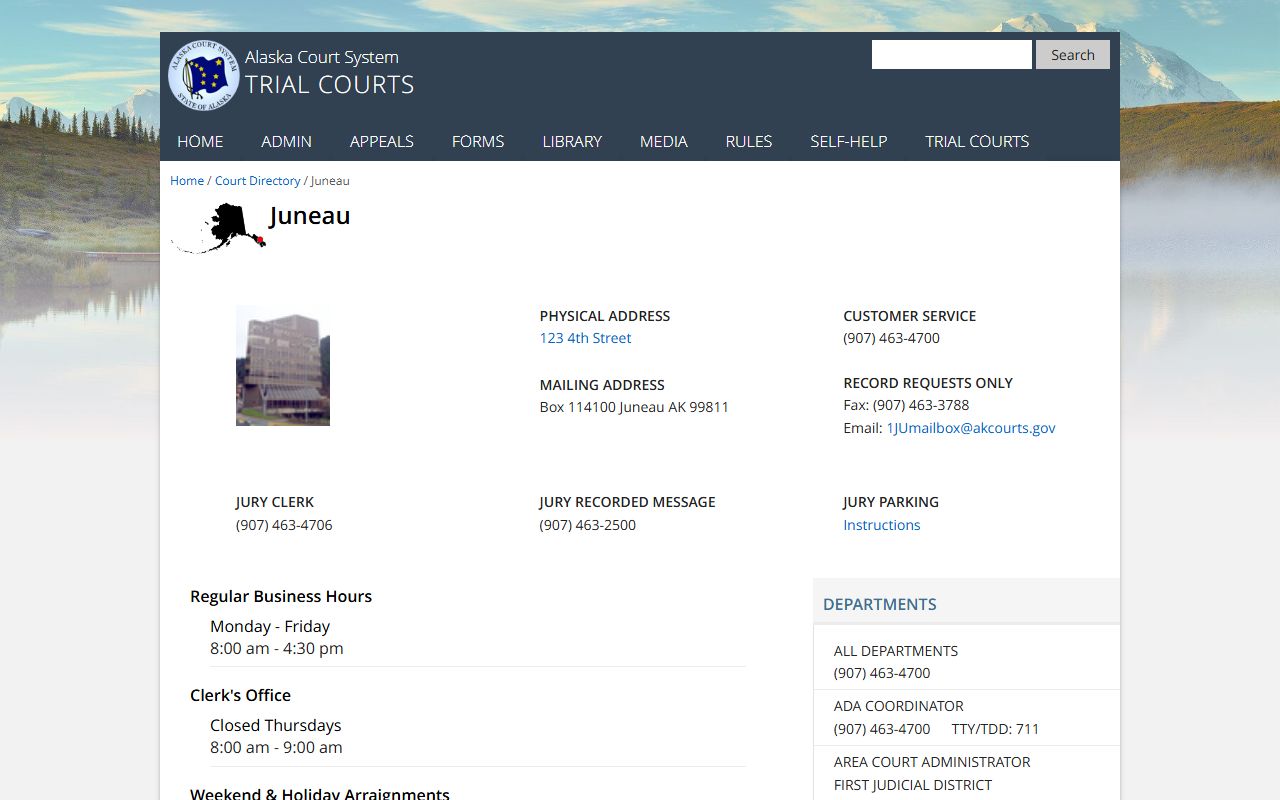
Juneau handles divorce decree cases for Juneau, Haines, Skagway, Sitka, Ketchikan, and surrounding Southeast Alaska communities through the First Judicial District. Contact at (907) 463-4700 or 1JUmailbox@akcourts.gov.
Palmer Superior Court at 435 South Denali Street covers Matanuska-Susitna Borough and the surrounding Third District area including Wasilla and the Valley communities.
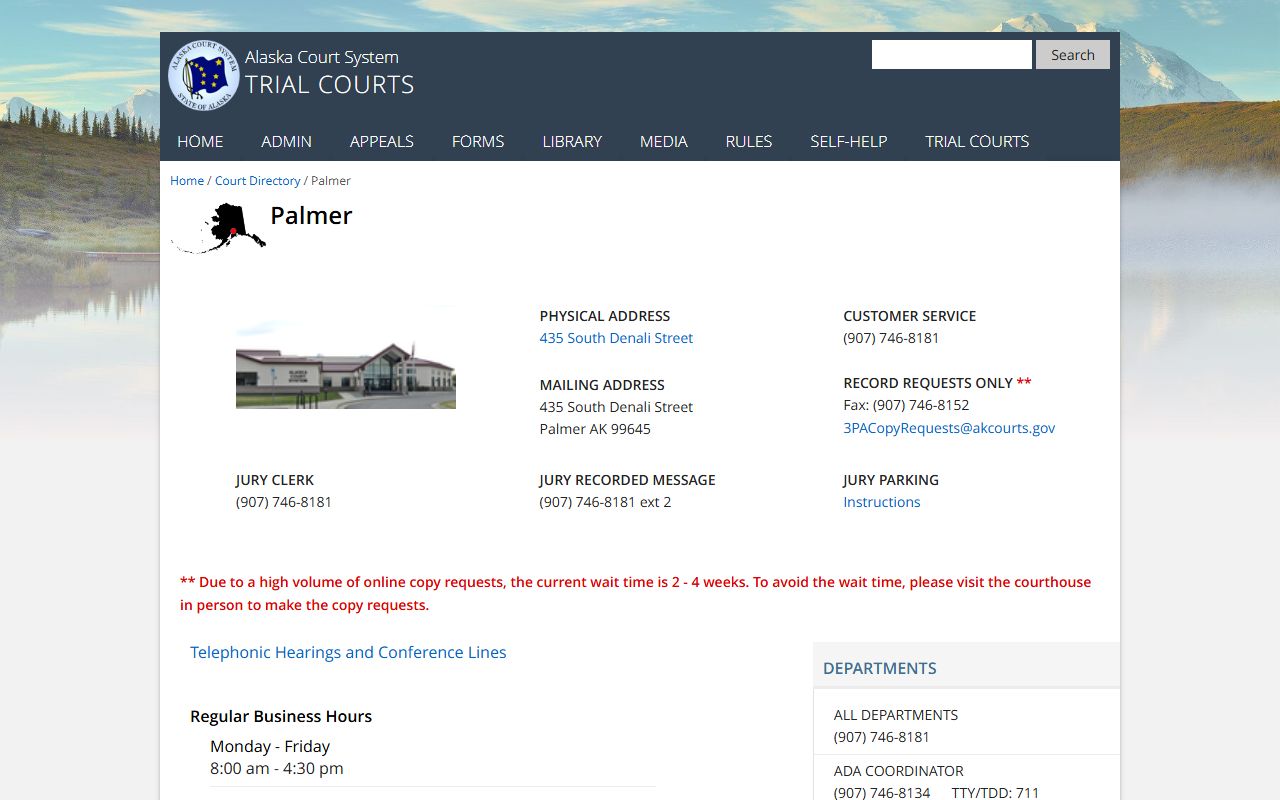
Palmer currently runs a 2-4 week wait for online copy requests. Visit in person at 435 South Denali Street to get copies the same day or email 3PACopyRequests@akcourts.gov.
Browse Alaska Divorce Decrees by Location
Alaska is organized into boroughs and census areas instead of traditional counties. Each one falls under a judicial district whose Superior Court holds the divorce decree records for that region. Select a borough or census area below to find specific court contact information, local fees, and access options for divorce records in that area.
View All 30 Alaska Boroughs & Census Areas
Alaska Divorce Decree Records by City
Major Alaska cities file divorce cases at the Superior Court in their judicial district. Select a city below for details on which court handles your area and how to access divorce decree records locally.